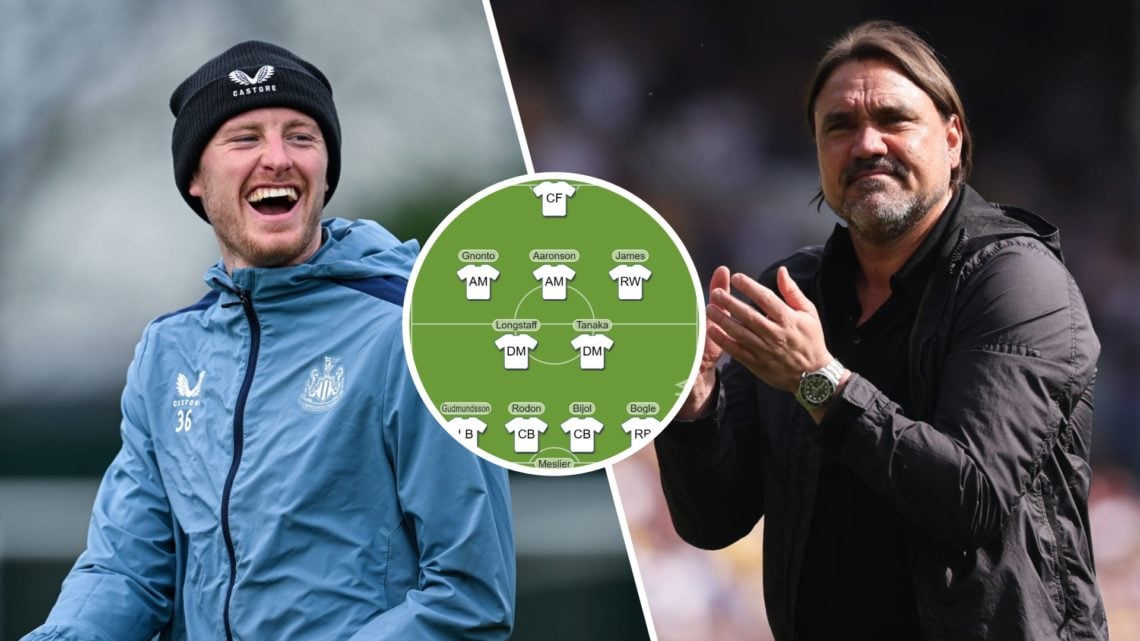


Leeds United have confirmed the signing of Sean Longstaff from Newcastle United and here’s how he could be utilised by Daniel Farke.
The transfer strategy in the summer window from Leeds United has become obvious and the £15m signing of Sean Longstaff from Newcastle United continues to fit the bill.
Daniel Farke has had his eyes set on 26-28-year-old players with a lot of high-level experience, physical prowess and tactical flexibility. As well as being on the cheap, unlike Sunderland, who are splashing the cash.
Lukas Nmecha, Jaka Bijol, Sebastiaan Bornauw, Gabriel Gudmundsson and now Longstaff all fall into that mould as the manager works to make his squad capable of meeting the draining demands of the Premier League.
With 171 top-flight games and five Champions League appearances, combative midfielder Longstaff ticks all of Farke’s boxes, and he can easily fit into several formations.
- Who is Sean Longstaff? Get to know the Newcastle United hero who has joined Leeds United in the transfer window

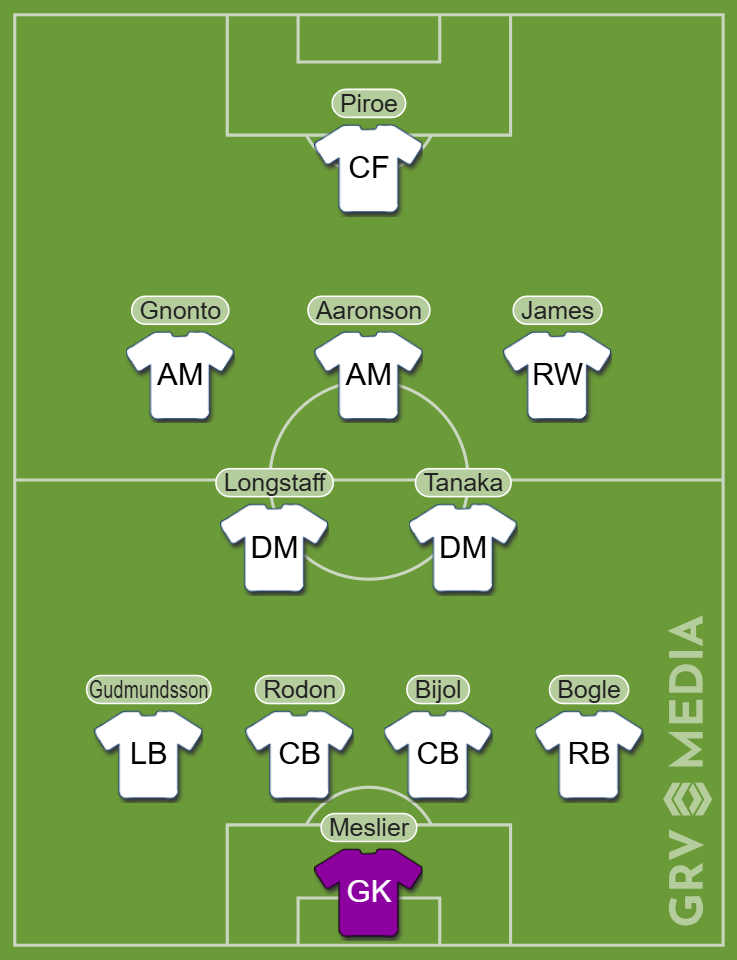
Sean Longstaff fits into a 4-2-3-1
Farke’s ideal formation is the 4-2-3-1, which was used to great effect in the vast majority of games in Leeds’ charge to the Championship title.
With his flying full-backs providing width, the wingers are often instructed to tuck infield slightly to wreak havoc on defences.
With so many players going forward, the role of the two holding midfielders is absolutely crucial.
They must protect the defence and win the ball back as soon as possible to avoid counterattacks, not to mention passing it to the attackers when they get it.
Longstaff should be able to seamlessly slot into this role and could form a hard-working and solid partnership with Ao Tanaka.
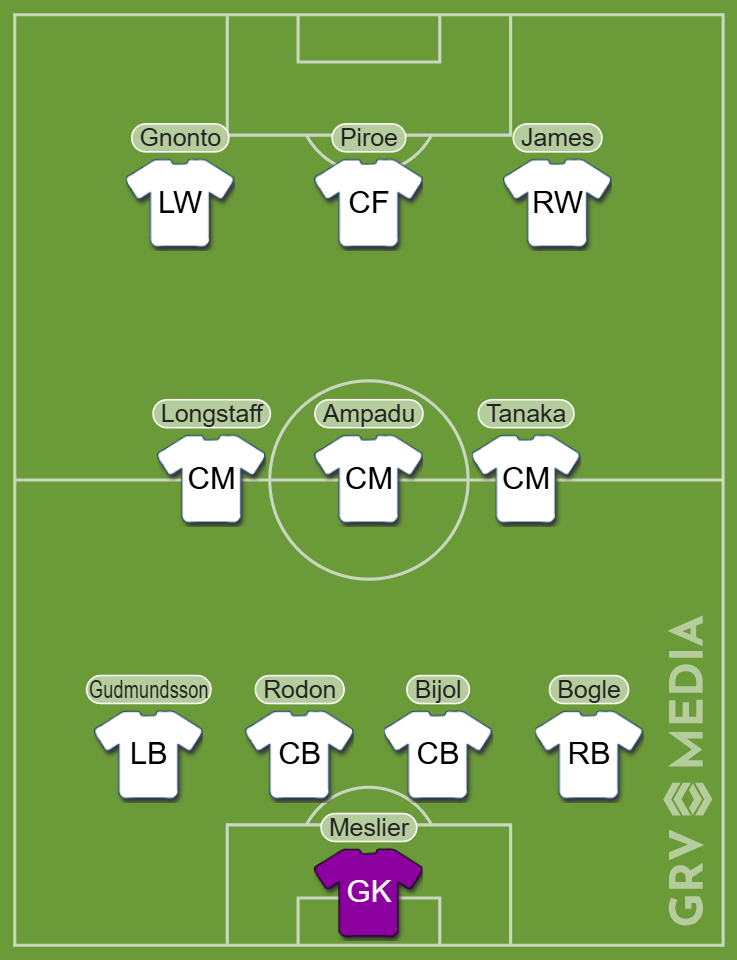
Daniel Farke could use 4-3-3 with Longstaff
Though he isn’t versatile in the sense that he has played in defence or upfront before, Longstaff is capable in any midfield role.
He can sit deep and protect the defence, he can rush from box-to-box and he can even play in a more advanced position.
With injuries likely to be a big factor in the campaign, that flexibility will come in handy as Farke will be able to shift his midfield depending on the occasion.
In matches where he feels his midfield may get overrun, he could sacrifice the attacking midfield role to add more energy and solidity in a compact 4-3-3 formation.
Longstaff has played in the formation a lot under Eddie Howe and can play on either side of the three or as the sitter, depending on who is available.
Farke may consider a switch to 3-4-3
The more players Leeds sign, the more it looks like Farke is considering a back-three formation next season.
That’s not to say it will be his go-to system for every game, but rather he is acquiring versatile players who can facilitate the changing of formations to suit whoever they are up against.
It’s a smart approach, given dogmatic managers – Vincent Kompany and Russel Martin, for instance – who refused to change their tactics in the Premier League were swiftly battered back down again.
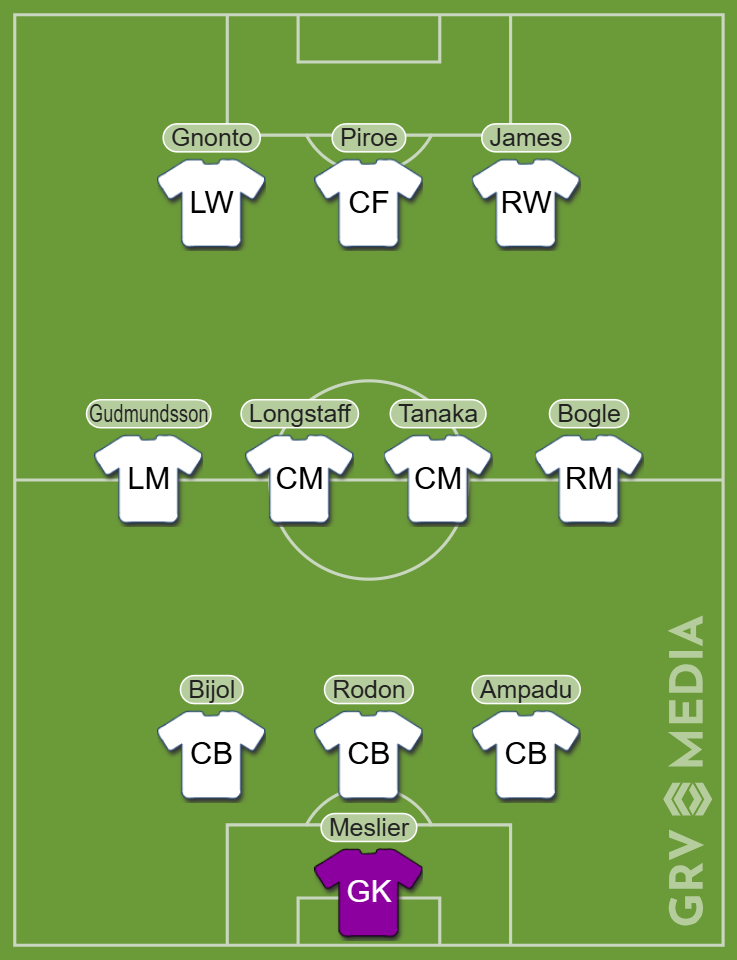
Now Leeds have five centre-backs in the ranks and two full-backs who can comfortably play further forward, the possibility of a 3-4-3 formation is clearly taking shape and Longstaff could be deployed in the midfield.
With the midfield typically outnumbered in such a formation, legs and energy are needed, which Longstaff provides in spades.
Receive a digest of our best Leeds content each week direct to your mailbox