

In terms of the global footprint, the wealth of their owners, and their history and heritage, it is hard to argue that Leeds aren’t the biggest club in the Football League.
Even in the Championship, where 49ers Enterprises and Red Bull do not expect to remain long, Leeds United’s commercial income is the envy of most Premier League clubs.
With Daniel Farke’s side currently in 2nd place in the second tier, there is every chance that their income will soar against next season in the top flight.
| Position | Team | Played MP | Won W | Drawn D | Lost L | For GF | Against GA | Diff GD | Points Pts |
| 1 |  Sheff UtdSheffield Utd Sheff UtdSheffield Utd | 21 | 14 | 5 | 2 | 30 | 11 | 19 | 45 |
| 2 |  LeedsLeeds LeedsLeeds | 21 | 12 | 6 | 3 | 37 | 15 | 22 | 42 |
| 3 |  BurnleyBurnley BurnleyBurnley | 21 | 11 | 8 | 2 | 26 | 8 | 18 | 41 |
| 4 |  SunderlandSunderland SunderlandSunderland | 21 | 11 | 7 | 3 | 32 | 17 | 15 | 40 |
| 5 |  BlackburnBlackburn BlackburnBlackburn | 20 | 11 | 4 | 5 | 25 | 17 | 8 | 37 |
| 6 |  MiddlesbroughMiddlesbrough MiddlesbroughMiddlesbrough | 21 | 10 | 4 | 7 | 35 | 25 | 10 | 34 |
If they don’t win promotion again this term, 2025-26 will be Leeds’ last season without parachute payments.
Parachute payments are worth north of £30m per year and mean Leeds have a major advantage over most of their peers in the EFL in terms of Profit and Sustainability Rules (PSR).
The last season Leeds spent in the Championship for which data is publicly available (their 2023-24 accounts aren’t released until next year), Leeds earned £8.7m in media income.

That income stream was easily Leeds’ smallest compared to matchday (£15.4m) and commercial (£30.1m).
That sum will have risen significantly when the time comes to release the financial figures for the current campaign, thanks to the new EFL TV deal.
The controversial broadcast package is worth £935m over five years, a 50 per cent upswing on the previous rights cycle. Leeds can expect to easily surpass the £8.7m they banked in 2019-20.

However, the EFL is continuing to look for ways to hike that figure even further.
To explore one of the more controversial methods of doing exactly that, LUN spoke exclusively to Liverpool University football finance lecturer and industry expert Kieran Maguire.
Leeds United would be ‘big winners’ of 3pm blackout abolition
Since the 1960s, broadcasters have been banned from airing live football between 2.25pm and 5.25pm on Saturdays.
This moratorium, known as the 3pm blackout, was introduced to preserve attendances in the lower leagues and still has the support of most supporter organisation.
After it emerged at the start of the that both the EFL and Premier League expect to remove the blackout in time for the next rights cycle, widely quoted research suggested it could hit EFL clubs’ annual matchday revenue by £37m.
However, Maguire is convinced that Leeds will not be among those hit. At least, not in the short term.
“All decisions result in winners and losers,” he said. .
“There are very few win-win deals and I think Leeds will be a big winner of the abolition of the 3pm blackout.
“They are Leeds United and they will sell out every home and away match. They are a one-club city and a club with a lot of history and heritage. Rightly, the fanbase is very proud of that.
“The issue is clubs further down the pyramid playing at 3.00pm on a Saturday a few miles away.
“People will ask why they should pay £25 to go and watch them when, as part of their subscription, they can be watching it at a pretty low cost at home.
“Those clubs will be the losers, unlike Leeds. The danger going forward is, if Leeds are not part of the Premier League, then over a long period of time then it could be an issue.
“But we have seen that Championship matches that coincide with the Champions League, for example, have slightly lower attendances.
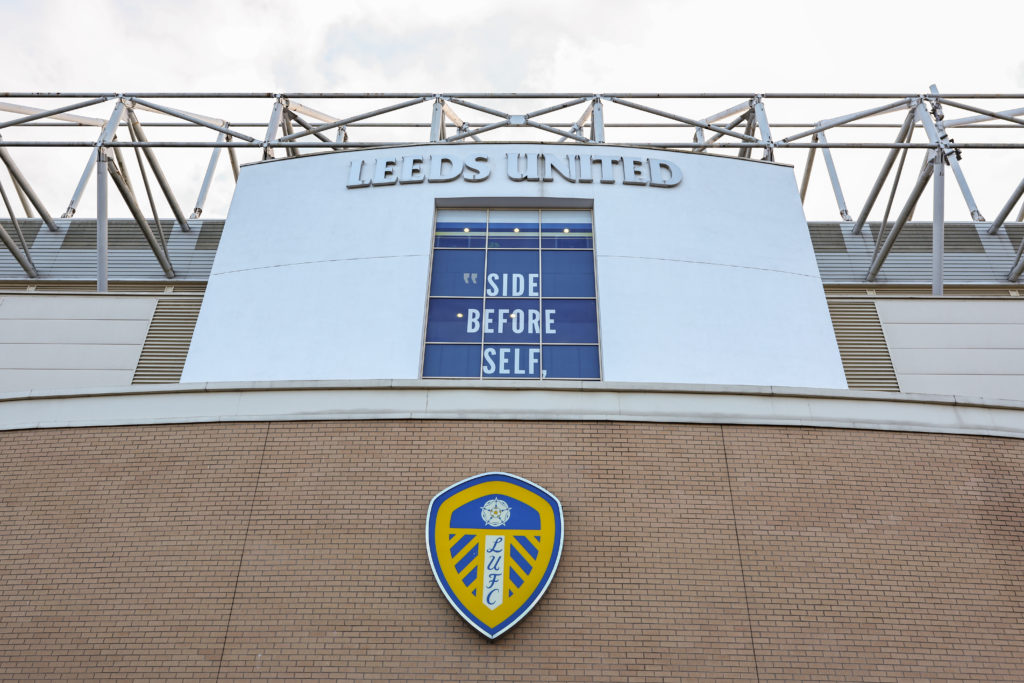
“But ultimately, if you’re a Leeds United fan, you will still go and watch them. You don’t care if Man City are playing Real Madrid. You’re in a relationship with a monopoly supplier.
“However, the problem in the future is how you get younger fans to go to their first, second and third matches if there is always an attractive alternative?”
How much will Leeds United earn from the new EFL TV deal?
Regardless of where they finish in the league table this season, Leeds will likely earn more in facility fees – fees paid to clubs whose matches are televised – than any other Championship club.
On top of that, the rising tide in terms of TV income more generally is set to see Leeds earn what could potentially be a record sum for a second-tier side’s media income.

Most projections suggest that their media revenue could top out at around £15m.
That is before parachute payments, which most clubs categorise as media income in their annual accounts.
Receive a digest of our best Leeds content each week direct to your mailbox