

Leeds United’s spiritual home will always be in West Yorkshire, but the big decisions are now made in San Francisco and Austria.
Red Bull entered the ownership structure over the summer, buying an as yet unspecified equity stake from 49ers Enterprises, the investment are of NFL franchise San Francisco 49ers.
Exactly how much input the energy drinks giants have at Elland Road is not known, but they have certainly made a splash in the public domain that suggests their investment is significant.

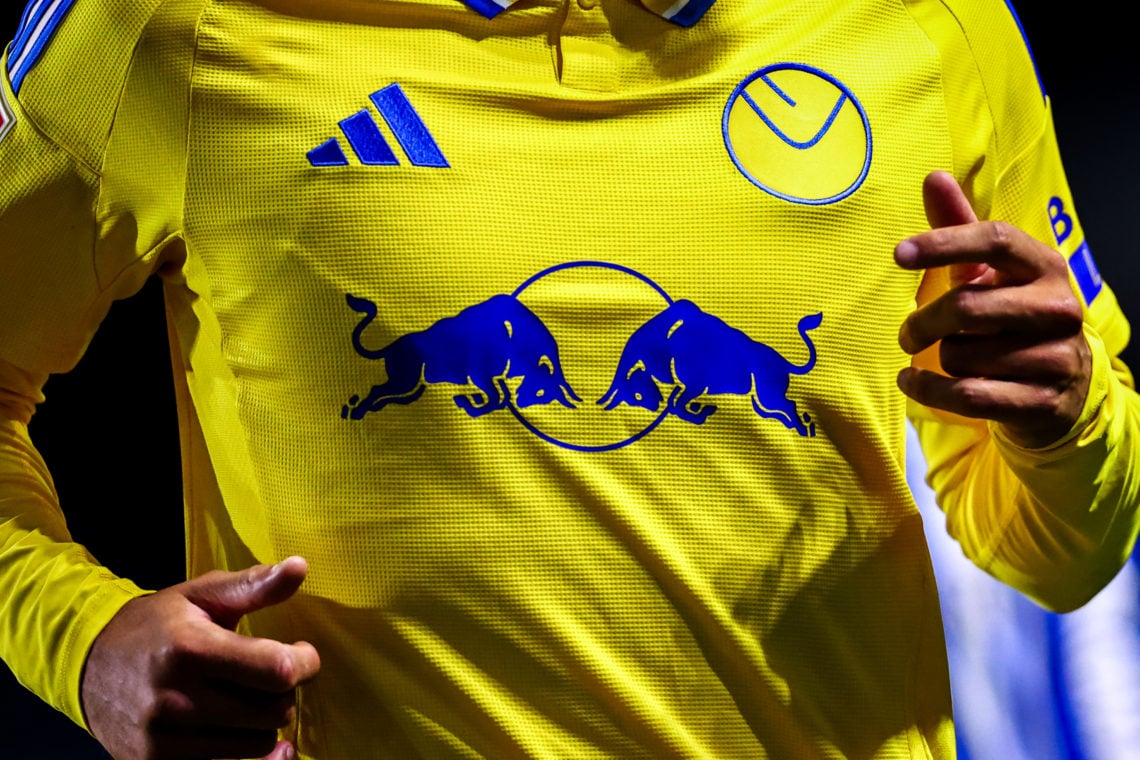
As well as Red Bull’s controversial front-of-shirt sponsorship deal with Leeds, they have also engineered a several marketing initiatives and embarked on a Premier League-focused commercial drive.
Nottingham Forest, Everton, West Ham, Newcastle United, Crystal Palace and Fulham were all swept up as new official partners for Red Bull within the space of a few weeks.
Elsewhere, Red Bull have continued to expand their global football empire.
Easily the most high-profile move they have made is to name Jurgen Klopp as Red Bull’s head of global football, a role which could see him offer his recruitment and retention expertise to Leeds.
But the £8.5bn-a-year company have also planted their famous flag in several new outposts in world football with new takeovers.
Red Bull change another club’s identity
Red Bull’s M.O when acquiring a new club is to stamp their branding all over it.
After all, Red Bull have shown with their investment in sport that they are just as much a marketing brand as they are an energy drinks business.
At Leeds, while they do feature prominently as front-of-shirt sponsor, Red Bull have promised not to mess with the club’s badge or colours.
But that is not the case across the rest of their network, which encompasses seven clubs in total and could soon move to eight with the takeover of Ligue 2 side Paris FC.
Clubs Red Bull own or part-own
- Leeds United
- RB Leipzig
- Red Bull Salzburg
- New York Red Bulls
- Red Bull Bragantino
- FC Liefering GmbH
- Omiya Ardija
The latest name on the list, Omiya Ardija, were bought by Red Bull for around £4m in August.
The Japanese club were relegated to the third tier last season but has spent most of its history in the top flight and were re-promoted to the second tier in October, shortly after the takeover was completed.
Omiya is a city of 1m inhabitants and Red Bull clearly feel that they represent an opportunity to get a foothold in East Asian football, a market they have n previously entered.
Now, as relayed by Footy Headlines, Omiya Arija have got the Red Bull treatment with the redesign of the badge, although they will retain their kit colours.
Will Red Bull ever change Leeds United’s badge or colours?
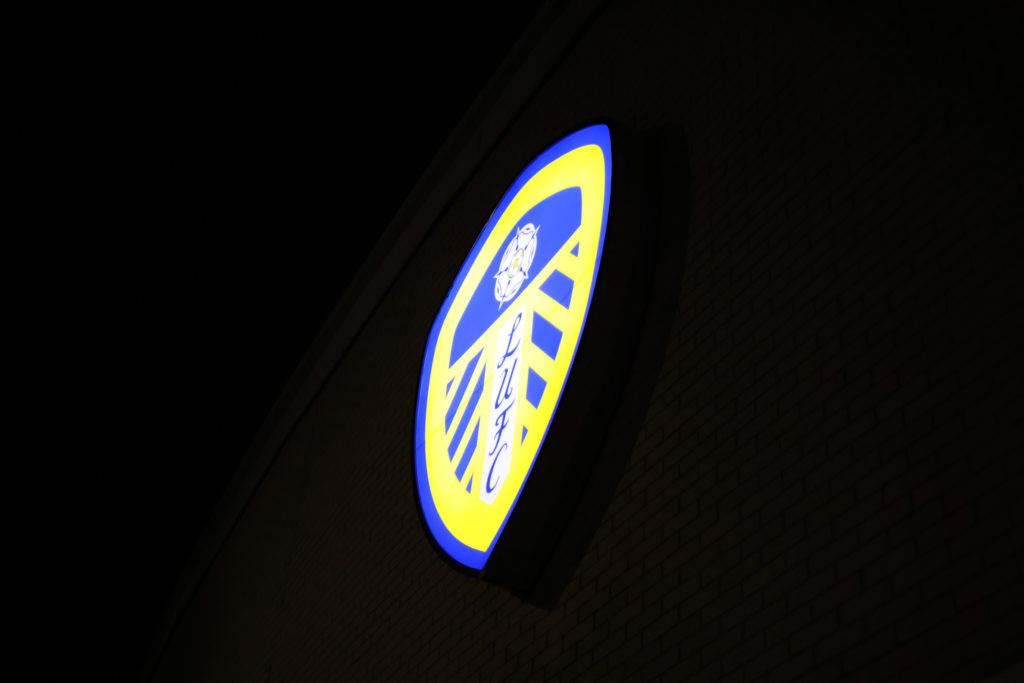
Naturally, the main concern among fans after Red Bull invested related to the sanctity of their badge and colours.
The backlash that came from even the colour red featuring on Leeds’ home kit for 2024-25 was indicative of how sacred the club’s identity is to the Elland Road faithful.
Red Bull and the 49ers have pledged not to meddle with that, but there is nothing binding in that stance.
However, one of the powers of the independent regulator for English football, which is opposed by Leeds chairman Angus Kinnear, will be to safeguard clubs identities against rogue owners’ interests.
That means that Leeds’ Supporter Advisory Board will likely have the power to veto any attempts to change the club’s colours or badge, should it ever materialise.
In any case Red Bull’s equity stake is likely not significant enough to give them the power to enact such a change.
The extent of their investment is not known although reports in Germany have suggested it could be around 10 per cent.
Receive a digest of our best Leeds content each week direct to your mailbox