

Leeds United took the unpopular decision to sell David Batty on this day in 1993, a move that threatened to end Howard Wilkinson’s time at the club.
In the film Sliding Doors, Gwyneth Paltrow’s character’s life is changed when she misses her train, triggering a parallel universe with a different turn of events.
Who knows how the history of Leeds United may have changed had title-winning manager Howard Wilkinson not been forced to sell Batty in 1993.
Batty was a firm favourite at Leeds, as a homegrown talent who formed an important part of Leeds’ First Division-winning midfield alongside the legendary trio of Gary McAllister, Gordon Strachan and Gary Speed.
However, just one season after lifting the title, Leeds faced a financial crisis, after the Taylor Report mandated the modernisation of Elland Road. As a result, Batty was sold to Blackburn Rovers, threatening the premature end of Wilkinson’s time at the club.
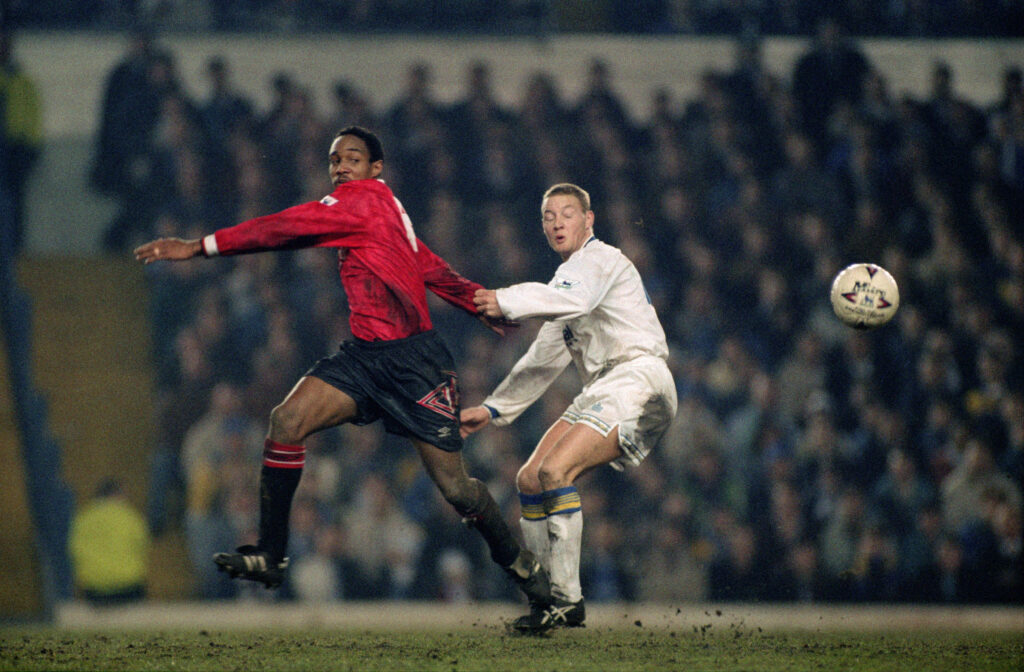
Leeds United were forced to sell David Batty in 1993
The Taylor Report was a response to the Hillsborough disaster and aimed to bring about the modernisation of English football stadiums.
One of the most significant decisions of the report was to ban standing in the top two divisions of English football, meaning that Leeds embarked on a programme of improvements to their ground, which would run to a cost of £6.5 million, according to the Telegraph and Argus.
As a result, Leeds were forced to offload one of their crown jewels. Blackburn were quick to take advantage of the situation, swooping in for the combative midfielder.
David Batty’s career statistics:
- Leeds United: 289 appearances, 4 goals
- Blackburn Rovers: 72 appearances, 1 goal
- Newcastle United: 114 appearances, 4 goals
Explaining why Leeds were forced to sell, former Blackburn manager Kenny Dalglish stated: “As far as Leeds were concerned, this decision was a response to the Taylor Report and the fact that they had to pay to improve their ground. It was purely a financial decision and not a footballing one.”
Leeds’ then chairman Leslie Silver added: “We would not have sold Batty for £2 million, but I have to say we are paying for a new stand that, with the fixtures and fittings, is costing £6.5 million and next season we have to seat the Kop.
“We have a £5.5 million wage bill – it’s easy to disapprove of what’s being done if you aren’t the one signing the cheques.”
- READ MORE: Albert Johanneson made European history for Leeds United in 1966, only six players have matched him
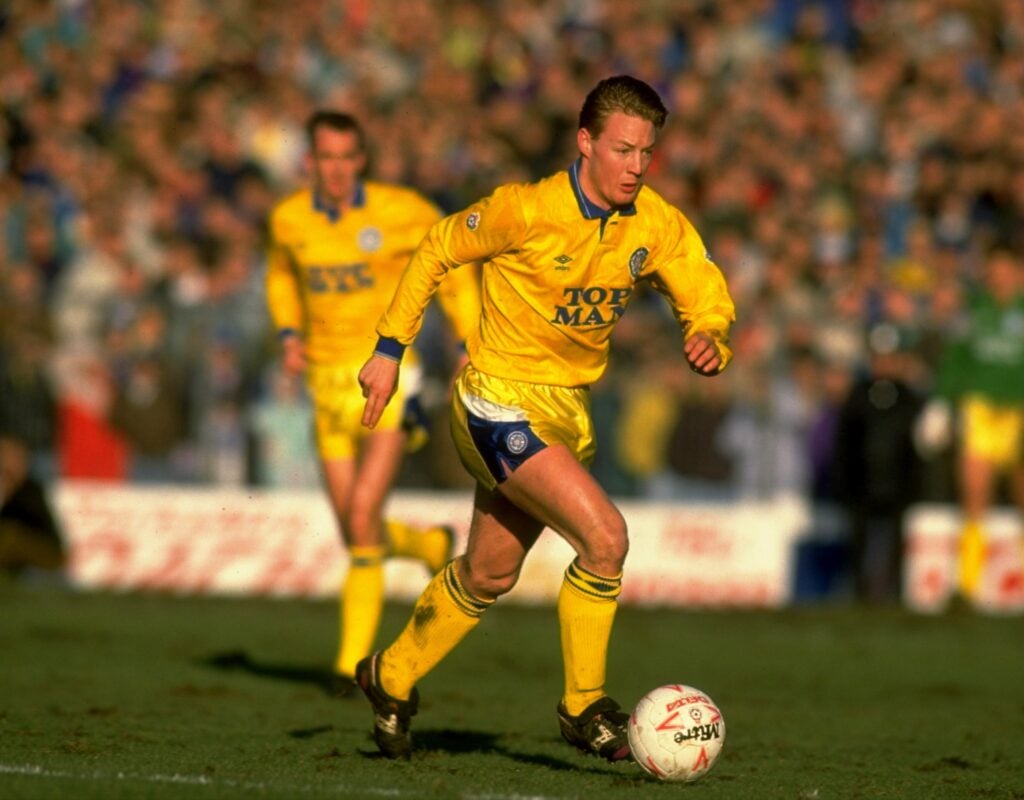
How close did Howard Wilkinson come to leaving Leeds United in 1993?
Batty’s departure was set against a disappointing title defence by Leeds in the 1992/93 season, in which Leeds had finished in 17th place.
The Leeds midfielder had been part of the England squad for the disappointing 1992 European Championships, and his international manager, Graham Taylor, would eventually leave his post in November 1993.
This led to speculation that Wilkinson could succeed Taylor with England, and the sale of Batty could have driven a wedge between Wilkinson and the Leeds hierarchy.
However, speaking in the same Telegraph and Argus article referenced above, Wilkinson was quick to pour cold water on the rumours that he could leave Leeds.
“My basic principle is that you don’t let good players leave your club if you can avoid it,” Wilkinson said. “I’m not the kind of man who takes his bat and ball home if he doesn’t get his own way.
“This is the first time since I have been here that football considerations have been overruled by business considerations.”
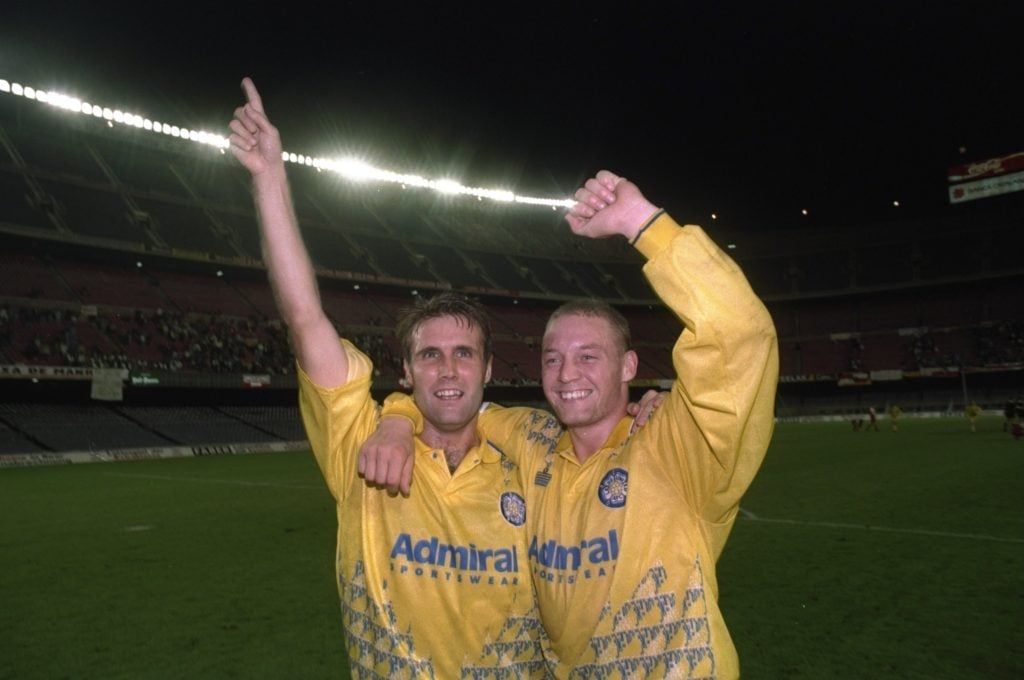
What did David Batty say about his Leeds United exit?
For Batty, the move meant he had to leave his hometown club, where he had come through the academy before winning the First Division title.
While he admitted that it would be a “wrench” to leave Leeds, the England international expressed his excitement at his next opportunity.
Batty said: “It was a wrench to leave Leeds after eight years at the club, but this is a new challenge and I can’t wait.
“Howard told me that Blackburn had made an offer and it had been accepted, so I decided very quickly to move,” before concluding, “Leeds’ fans were magnificent to me, but I now intend to make a clean break, getting out my passport and moving to Lancashire.”
However, like all the best love stories, there was a happy ending for Batty and Leeds. After five years away, he returned to the club following David O’Leary’s appointment and was a crucial part of the side that challenged for the title in the early 2000s.
Receive a digest of our best Leeds content each week direct to your mailbox