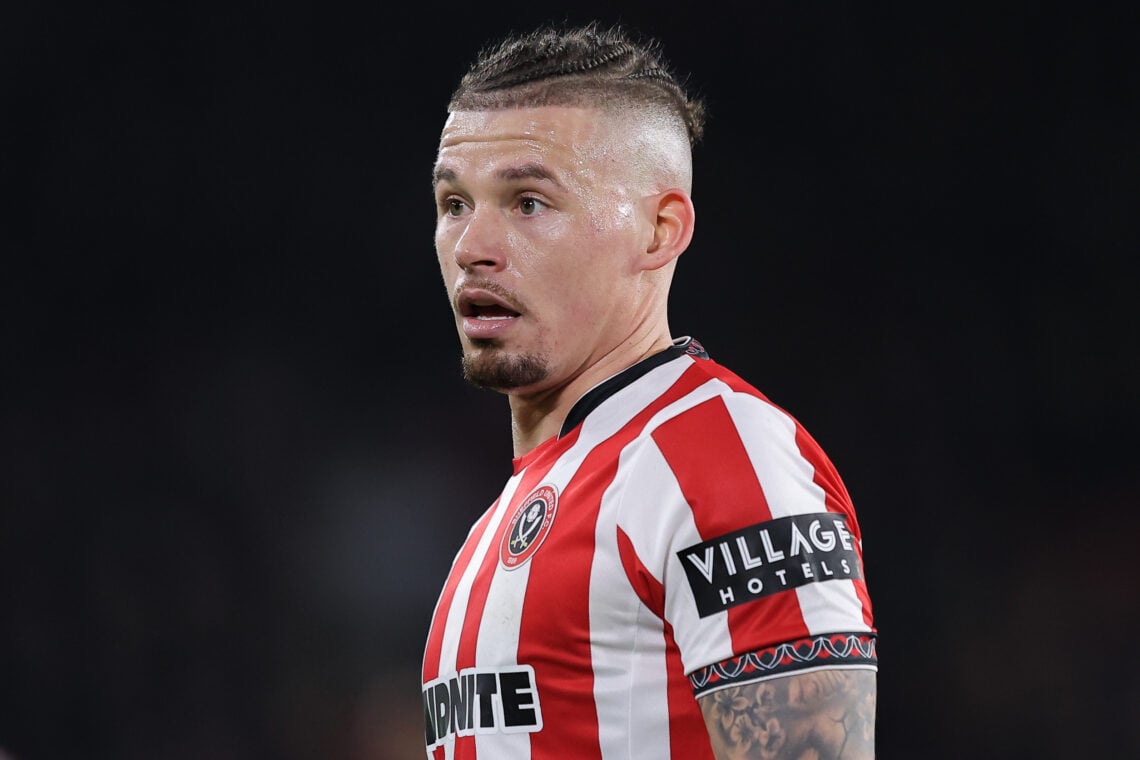


Leeds United fans know better than anyone the devastating cost of a big-money move to a Premier League super-club, and Kalvin Phillips’ path now serves as the ultimate warning to the game’s newest £116million man.
When it emerged that Manchester City have struck a jaw-dropping summer swoop for Nottingham Forest and England breakout star Elliot Anderson, the footballing world marvelled at the record-breaking fee.
But behind the blinding glamour lies the exact same flawed, systemic trend that derailed our ‘Yorkshire Pirlo’ after he left Elland Road in 2022.
The mechanism has become entirely predictable. A young English player flourishes in an environment where they are the absolute focal point – whether that is under Marcelo Bielsa at Elland Road or in a buzzing East Midlands side. A European behemoth then uses their financial muscle to extract that asset, often with devastating consequences for the player’s developmental trajectory.

Kalvin Phillips, Elliot Anderson and career “limbo”
The structural trap of these mega-transfers comes down to a harsh reality: super-clubs do not always purchase players based on tactical necessity; they purchase them for squad depth and asset accumulation.
Speaking on his own show on the BBC, Wayne Rooney pointed directly to this exact phenomenon while discussing Anderson’s massive switch to the Etihad Stadium.
Rather than viewing it as a pure step up, the former England captain highlighted the hidden danger facing players who choose to leave clubs that built them.
He said, “I think you’re in danger with players’ careers here. I think Elliott Anderson is a fantastic player. I’m gutted that Manchester United didn’t get him, to be honest.
“But I think we’ve seen it with players going for big money. We’ve seen it with Kalvin Phillips from Leeds and Jack Grealish to some extent. Obviously, Jack’s won a lot of things, but now also because the manager didn’t fancy him anymore.
“He’s been in limbo. You pay this money for players, which is very difficult to turn down, and the clubs obviously can’t turn it down, but they end up getting left in a position where they don’t fit in.
“And the salaries as well, because they pay that much money, the salaries go bigger, then teams will struggle to pay the salaries.
“So they end up stuck, and they end up, like Phillips, think of the Euros, what year was it? Was it four years ago? Five years ago, Phillips is in there every game next to Rice, and then since then, you know, he’s gone missing.”
Kalvin Phillips would not only be a good signing, but he’s now needed at Leeds – Agree? 🤔
He could play in a back three as well as midfield….

The mention of Phillips hits close to home for the Elland Road faithful. Just a few years ago, the midfielder was a strong presence next to Declan Rice during England’s march to the UEFA European Championship final.
Today, he represents the ultimate cautionary tale – a footballer stuck in a golden cage, earning wages so high that finding a permanent exit route becomes an accounting nightmare for any interested suitor.
Leeds United and cultural shift under Daniel Farke
This broader market issue highlights why the ongoing project under Daniel Farke and the 49ers Enterprises is so critical.
Instead of simply existing as a feeder club that cash cheques and watch their academy products fade into obscurity, Leeds United are actively trying to build a self-sustaining infrastructure where elite talent does not need to look elsewhere to fulfil their ambitions.
When the big fishes circle Elland Road with massive chequebooks, the temptation to accept the cash is immense, but as Rooney rightly points out, once a player enters that high-finance machine, their career is placed in immediate jeopardy.
For Leeds United, the goal must remain clear: build a club where the next generation of talent can anchor a midfield on the biggest stages under the lights of Elland Road, rather than watching from a pristine, expensive bench elsewhere.
Receive a digest of our best Leeds content each week direct to your mailbox